
When COVID hit, the quarantine and ensuing issues did a lot of damage to many industries. The hospitality industry was probably one of the hardest hit, including many sub-industries that felt the crunch. One of the trends we predicted was that many industries that use...
Warehousing

COVID, demand heated up refrigerated logistics
When we made our annual predictions for the logistics industry in January, there were some trends that we were confident would happen, but with so much changing in our industry, it was hard to know exactly what some of them would look like. The trend related to...

Smashing retail records this shopping holiday weekend
This year's "holiday shopping weekend" is expected to be a little different this year compared to 2020 for one primary reason: the pandemic. Last year, many people stayed home and shopped online only, but as the Covid numbers are falling, the interest in going out to...

6 easy tips for buying furniture online successfully
Even before the pandemic, ordering furniture and other housewares online was becoming increasingly popular. During the pandemic, deciding to redecorate or completely renovate a home has burgeoned. We deliver a lot of furniture all over Northwest Arkansas and Central...
Logistics challenges lead to rising consumer costs
Anyone who has shopped nearly anywhere in the United States lately has likely noticed higher prices on their favorite products. While inflation usually can't be attributed to just one thing, officials in various industries – from retail to manufacturing – agree that...
Team member spotlight: Dave Pointer
Dave Pointer has been a valued member of the On Time Logistics team for five years and was declared our Star Driver in July. We featured him on our blog in 2017 but wanted to catch up with him and find out what he’s been up to lately. Dave is one of our regular...
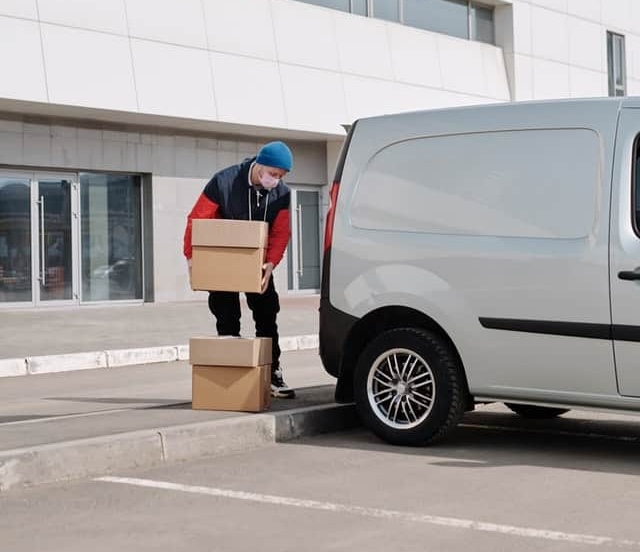
Logistics industry still plagued with COVID-related issues
When we predicted at the start of the new year that COVID-19 would continue to affect the logistics industry, even then, we called it a “no-brainer.” Today, we are focusing on how this prediction has proven true about two years after the virus started showing up in...

Retailers and consumers: don’t wait to prepare for the holidays!
Usually, at this time of the year, around the beginning of the fourth quarter, we write a blog about expectations for the upcoming holiday season and offer tips for retailers to start now to have a successful experience. This year looks different. Between COVID...
Avoid animals on the road
On the road, whether on city streets or the interstate, there are many potential hazards to be cautious of at all times. During our monthly safety meeting, we talked about one specific threat: animals. Whether it’s wildlife or a domesticated animal on the loose,...
Team Profile: Larry Simmons
Larry Simmons has been a part of the On Time Logistics team since February 2016. He’s always willing to help! Case in point, he recently took our Director of Marketing, Mary Boushelle, on his route to show her the life of a delivery driver. Mary reported, “It was a...