Efficient Reverse Logistics for Returns & Recalls: Optimizing Returns Logistics Solutions and Recall Management Services

Reverse logistics shapes customer satisfaction and operating costs. This article outlines core reverse supply chain processes and shows how sharper returns handling improves operations and compliance. Many firms struggle with costly, inefficient returns and recalls. With optimised reverse logistics strategies you can speed processing, cut costs, and support sustainability. We cover key processes, technology’s role, regulatory requirements, and the cost and environmental benefits.

What Are the Key Processes in Reverse Supply Chain Management for Returns and Recalls?

Reverse supply chain management covers how returned products and recalls are handled end to end: returns processing, recall logistics, and disposition decisions. Effective reverse logistics routes products back to the manufacturer, refurbishes or resells suitable items, and disposes of others correctly to minimise losses and maximise recovery.

How Does Product Return Processing Streamline Reverse Logistics?

Return processing centres on receiving items, inspecting condition, and deciding disposition—restock, refurbish, resell, or recycle. Streamlining those steps shortens cycle times and lowers costs. Automated systems that track returns and update inventory speed turnarounds and improve customer outcomes.

What Are Best Practices for Managing Logistics for Product Recalls?

Recall logistics require a clear plan, timely stakeholder communication, and reliable tracking and reporting technology. Regular training and mock recalls ensure teams act quickly and correctly, limiting disruption and preserving customer trust.

How Can Technology Enhance Reverse Logistics and Recall Management Services?
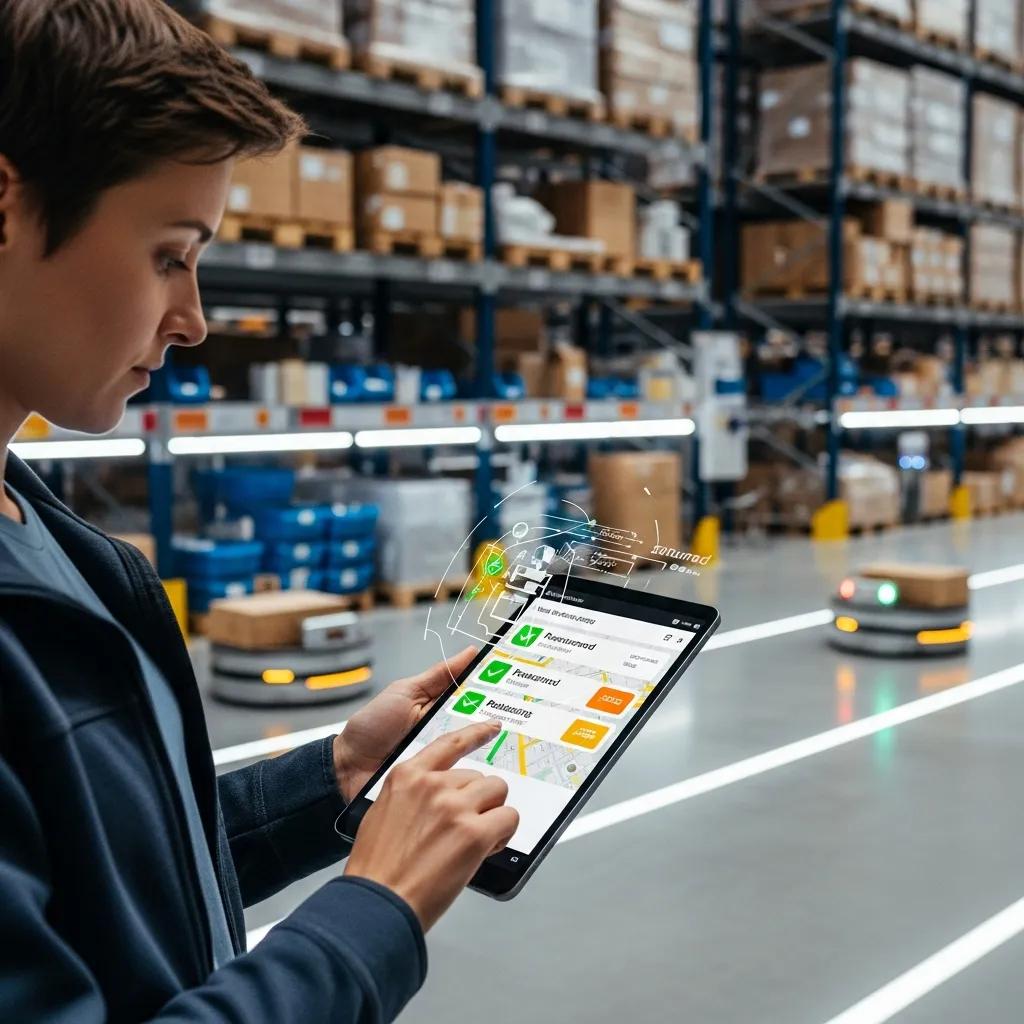
Technology is central to better reverse logistics. Using advanced software solutions, companies can improve their returns tracking systems and simplify the workflow end to end.

Which Reverse Logistics Software Solutions Improve Returns Tracking Systems?

Reverse logistics platforms typically offer real-time tracking, automated reporting, and inventory-system integration. Those features deliver clearer visibility into returns, support smarter decisions, and boost operational efficiency.

How Does Automation Reduce Costs and Increase Compliance in Returns Management?

Automation cuts repetitive work such as data entry and manual inventory updates, lowering labour costs and errors. Automated reporting helps meet regulatory deadlines, reducing compliance risk while improving process efficiency.

What Compliance Standards and Regulatory Requirements Impact Product Recall Logistics?

Meeting applicable standards and regulations is vital for effective recall logistics. These rules define how recalls must be run and the company responsibilities for protecting consumers.

Which Regulations Must Businesses Follow for Efficient Recall Management?

In the United States, businesses must follow laws such as the Consumer Product Safety Act (CPSA) and the Federal Food, Drug, and Cosmetic Act (FD&C Act). These statutes set out consumer notification, reporting to agencies like the Consumer Product Safety Commission (CPSC) or the Food and Drug Administration (FDA), and logistical steps for recalls. Non‑compliance can bring serious legal and financial consequences.

Research highlights the need for robust regulatory frameworks and management strategies when handling product withdrawals and recalls.

Product Recall Policies & Efficient Management

The regulatory effectiveness and the impact on industry and consumers of product withdrawal—and the wider crisis management issues—are under‑researched. This large, multi‑brand recall offers a chance to assess cross‑border withdrawal management from regulatory and consumer policy viewpoints and to recommend improvements for future events.

Regulatory oversight or lack of foresight?

Implications for product recall policies and procedures, L Eagle, 2005

How Does Compliance Improve Supply Chain Visibility and Risk Mitigation?

Compliance requires documented, transparent processes, which improve supply chain management visibility and enable early risk detection. That transparency supports proactive action and builds trust with customers and stakeholders.

What Are Cost Reduction and Sustainability Benefits in Reverse Logistics for Returns and Recalls?

Well‑designed reverse logistics cuts operating costs and supports sustainability. Optimising returns flows reduces waste, lowers expenses, and improves environmental performance.

How Do Sustainable Practices Optimize Reverse Supply Chain Management?
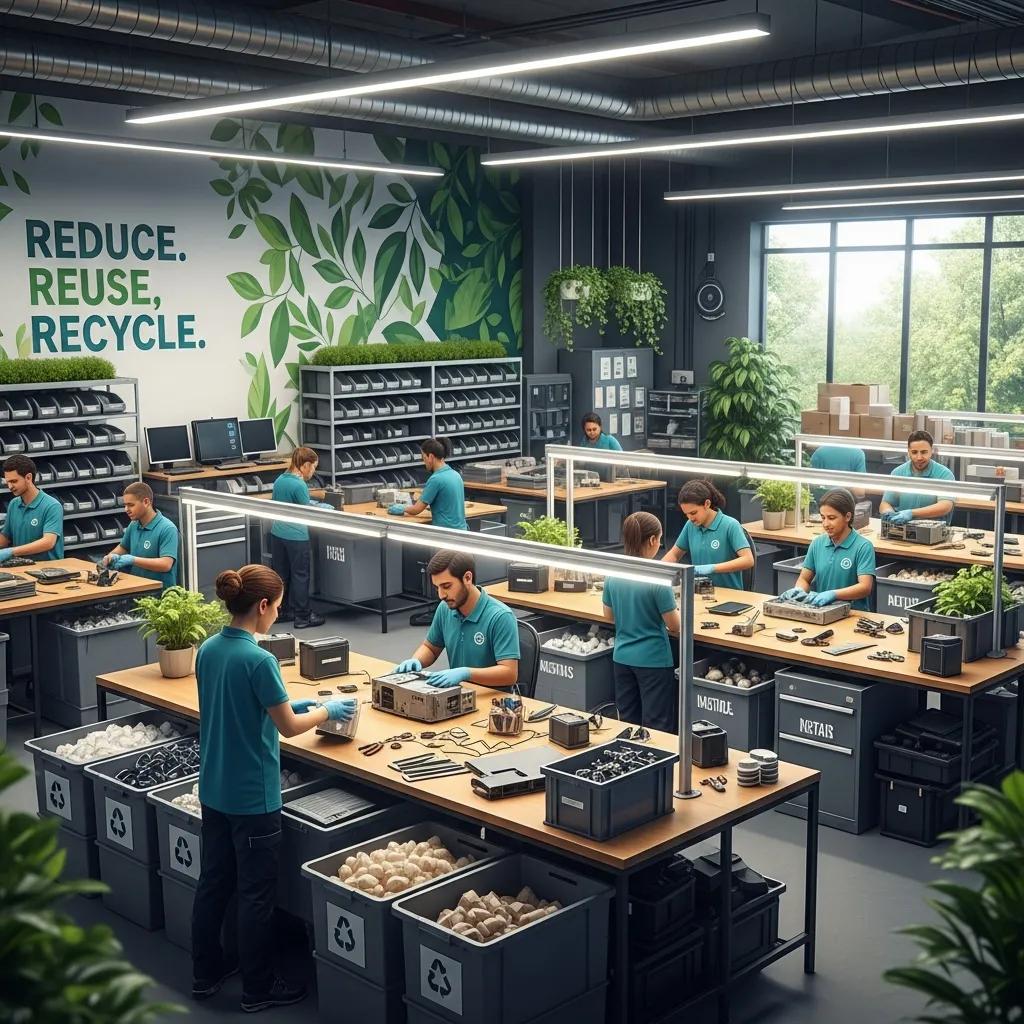
Sustainable reverse logistics emphasises recycling, refurbishing, and responsible disposal. These steps cut waste and shrink carbon footprint while boosting brand reputation with eco‑minded customers.

What Strategies Help Businesses Lower Reverse Logistics Costs by 20-30%?

Businesses can reduce reverse logistics costs by 20–30% through inventory optimisation, better tracking and reporting technology, and clearer communication with suppliers and customers. Focusing on these areas streamlines your reverse logistics processes and delivers measurable savings.

Each optimisation strategy provides distinct benefits through specific mechanisms.

StrategyMechanismBenefitImpact Level
Inventory OptimizationStreamlined returns processingReduced holding costsHigh
Technology IntegrationEnhanced tracking systemsImproved visibilityHigh
Sustainable PracticesResponsible disposalLower environmental impactMedium

This comparison shows how different strategies can strengthen reverse logistics operations, improving efficiency and cutting costs.

Frequently Asked Questions

What are the common challenges faced in reverse logistics?

Common challenges include high operating costs, slow or inefficient returns processing, and poor supply chain visibility. Managing large return volumes, lacking adequate technology, and meeting complex compliance rules all add pressure and cost.

How can businesses measure the effectiveness of their reverse logistics processes?

Use KPIs such as return rate, processing time, and cost per return to gauge performance. Customer satisfaction scores and feedback also offer insight. Regular audits and process reviews help identify improvement opportunities.

What role does customer communication play in reverse logistics?

Clear customer communication sets expectations, reduces confusion, and improves the return experience. Keeping customers updated on return or recall status builds trust and yields feedback to refine processes.

How can companies ensure compliance with international recall regulations?

Stay current on laws in each market, including requirements from bodies like the FDA or CPSC. Build a comprehensive recall plan covering notification, reporting, and logistics, and train staff regularly with mock recalls to ensure readiness.

What impact does reverse logistics have on sustainability efforts?

Reverse logistics supports sustainability through responsible disposal, recycling, and refurbishing, which cut waste and emissions. Those practices boost brand image and can free up savings to fund further sustainability initiatives.

What technologies are emerging in reverse logistics management?

Emerging tech includes artificial intelligence and machine learning for predictive analytics, blockchain for traceability, and IoT devices for real‑time tracking. These tools improve forecasting, transparency, and operational control.

Conclusion

Efficient reverse logistics boosts customer satisfaction and trims costs tied to returns and recalls. By applying the right technology and practices you can streamline processes, stay compliant, and support sustainability while maximising recovery. Understanding these benefits helps you make choices that improve the bottom line. Discover how our tailored solutions can elevate your reverse logistics operations today.

Ready to Optimize Your Reverse Logistics?

Contact our experts to learn how we can help you enhance your returns and recall management with customized logistics solutions.